A Crash Course in Coordination
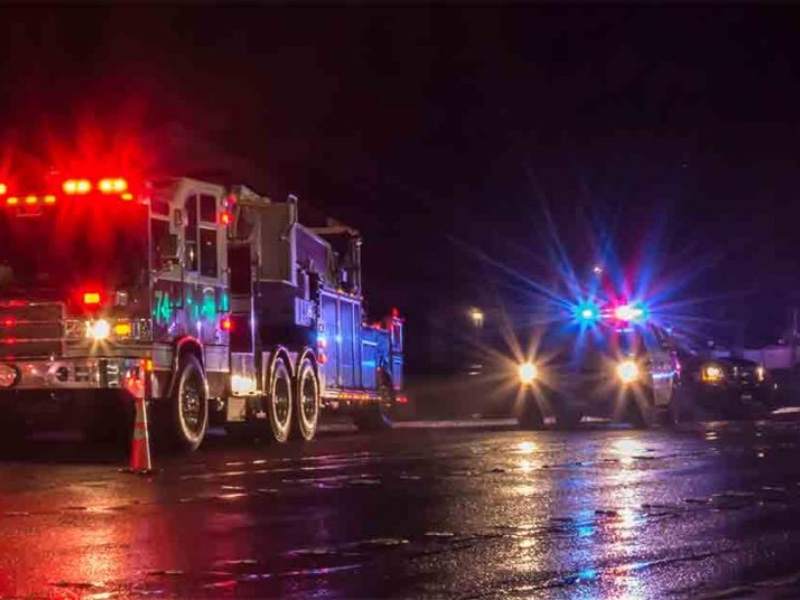
A crash scene can look unsettling. There’s usually a lot happening before the first vehicle moves. Officers may be checking drivers, fire crews may be looking at fluids or debris, and traffic may need to be held back long enough for everyone to work. On Olathe accident recovery calls tied to law enforcement, the tow truck may arrive early and still wait for the scene lead to clear us in.
That wait is normal. A damaged vehicle may need photos, measurements, statements, or registration checks before it can be loaded. We position where we are told, keep our warning lights working for the scene, and stay ready. Once the officer or trooper gives the word, we move in and handle the recovery without crowding the responders already doing their jobs.
Who Leads the Scene
Law enforcement usually sets the order of work. Officers and troopers decide where traffic stops, which lanes stay open, and when a vehicle can be touched. They may also decide if the vehicle goes to impound, a private lot, a repair shop, or a storage yard. That direction matters because crash tows, arrest tows, DUI stops, and abandoned vehicles all come with different paperwork.
Tow crews can still help with traffic control when asked. We may use truck placement, cones, warning lights, or a quick reposition to help protect the work area. Fire crews may handle fuel, airbag dust, battery issues, or other hazards before we load. Everyone has a lane to stay in, and the call goes smoother when nobody guesses at the next step.
What We Check Before Hooking Up
Once we get clearance, we walk the vehicle before rigging. Front-end damage, broken suspension, locked steering, flat tires, and leaking fluids all change the plan. A car on flat pavement may load one way. A truck sitting against a barrier or down a slope may need winching before it can be loaded.
We also look at where the vehicle sits in relation to traffic. A blocked lane on K-10 or I-435 may need a fast move to the shoulder before the full load happens. A quieter street may give us more room to set skates, dollies, or a flatbed angle. The officer may want one lane opened first, then cleanup handled after.
Before loading, our Olathe accident recovery team usually confirms:
- Who requested the tow
- Where the vehicle needs to go
- If the driver can remove personal items
- If police still need photos or paperwork
- If fluids, glass, or debris need attention
- Which loading method fits the damage
Cleanups and the Waiting Nobody Sees
Drivers stuck in traffic often see a wrecker sitting with lights on and assume nothing is happening. Most of the time, we are waiting for something important. The officer may need to finish the report. Fire may still be dealing with a leak. Dispatch may be confirming the drop location. On Olathe accident recovery calls, loading the wrong vehicle to the wrong place creates more trouble later.
Debris cleanup can happen before or after the tow. Broken glass, plastic, metal, and fluids can stay in the lane after a crash, and responders may want those hazards handled before traffic moves through.
Bigger Crash Scenes Need More Coordination
A passenger car crash may need one wrecker, but a commercial rollover, bus problem, or multi-vehicle crash can bring highway patrol, fire, road crews, extra wreckers, and a recovery supervisor. On larger Olathe accident recovery calls, blocked lanes, shifted cargo, and limited working space can slow everything down.
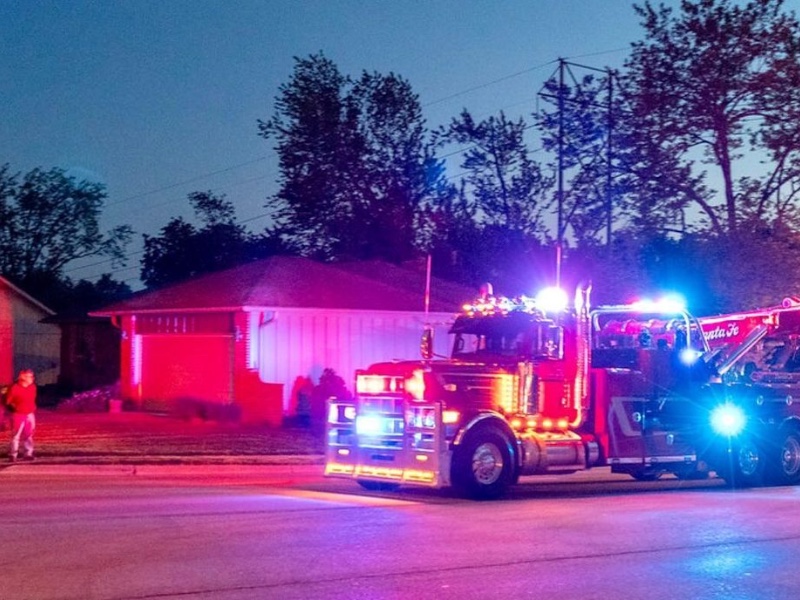
Santa Fe Tow Service Helps Olathe Accident Recovery Stay Coordinated From Dispatch to Tow
Santa Fe Tow Service started in 1963, then grew into a regional towing operation with more than eighty trucks and seventy-five employees across Kansas, Missouri, and Oklahoma. Our Olathe accident recovery team works with Kansas Highway Patrol, Kansas Turnpike Authority, Missouri Highway Patrol, and local agencies across Johnson County on crash scenes, impounds, heavy recoveries, and roadway calls.
We use rollbacks, wreckers, rotators, and heavy recovery trucks based on the vehicle, damage, road position, and responder direction. Our Olathe accident recovery work takes us on I-435, K-10, the Kansas Turnpike, and local roads in Olathe and Lenexa. The cleanest calls happen when officers, dispatch, fire crews, and tow operators stay in sync from arrival to final drop. That keeps the scene controlled and gives the driver a clear next step after a rough moment.
FAQs
Why does a tow truck wait before moving a crashed vehicle?
The tow crew may be waiting for police, fire crews, or dispatch to finish their part of the scene. A vehicle cannot be moved until the scene lead clears it.
Who decides where my vehicle goes after a crash?
The destination may be decided by the officer, the vehicle owner, insurance, or the type of tow. Crash tows, impounds, and abandoned vehicles can all follow different rules.
Can tow crews help with debris after a wreck?
Yes, tow crews often help with basic debris cleanup. Glass, plastic, metal pieces, and small fluid spots may need attention before traffic can move through again.
Why would a crash need more than one tow truck?
More trucks may be needed for multiple damaged vehicles, heavy vehicles, rollovers, or blocked lanes. Extra equipment helps crews move vehicles in the order responders need.
Can I remove my belongings before the vehicle is towed?
Sometimes. The officer or responder in charge decides if it is safe and allowed. If the vehicle is part of an investigation or impound, access may be limited.
What information helps after my vehicle is towed from a crash?
Ask where the vehicle is going, which agency requested the tow, and what paperwork you need for release. Getting that information early can save a trip to the wrong lot.