First Moves After Things Go Sideways
After over six decades in the business, we know that scenarios like this are common. We get a call from a driver who’d clipped a guardrail after swerving to avoid debris. He’s shaken up. Standing on the shoulder in the dark, unsure what to do next. That ten-minute window right after a semi accident matters. Often more than most drivers realize. What you do immediately after a crash can affect your safety, your insurance claim, and how quickly we can get your rig off the road. But safety is first, always and I-44 semi towing starts with keeping yourself and others out of harm’s way.
We’ve handled hundreds of semi accidents along I-44 between Kansas and Missouri, and the drivers who stay calm and follow a few basic steps always come out better. The chaos right after impact can make it hard to think straight, but having a mental checklist helps. Move fast, but move smart.
Get Clear Of Traffic And Call For Help
If your truck is still drivable and you’re not blocking lanes, get it onto the shoulder or into the median. If you’re stuck in a travel lane and can’t move the rig, turn on your hazards. Then get yourself out of the cab. We’ve seen too many secondary collisions because a driver stayed inside a disabled truck sitting in traffic. Your first priority is getting away from moving vehicles.
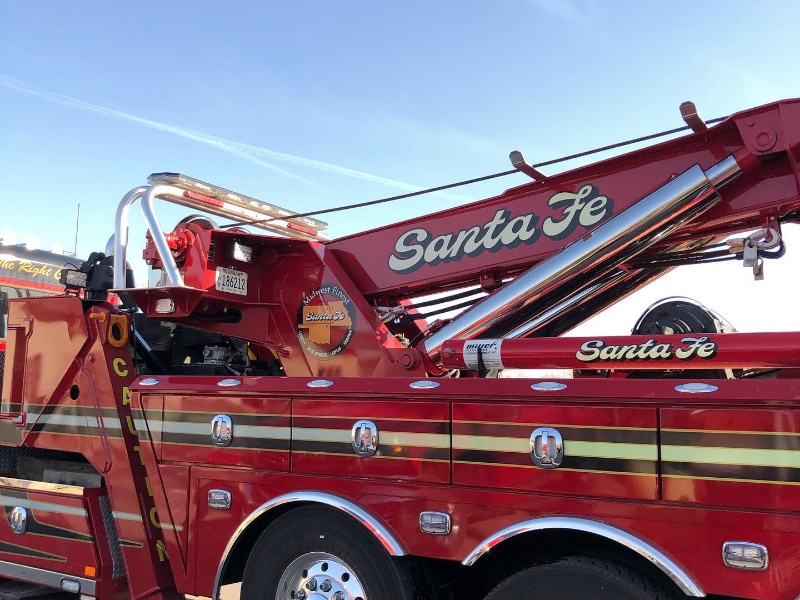
Once you’re clear, call 911 and then call for I-44 semi towing. The Missouri Highway Patrol and local agencies rely on us to clear wrecks quickly, and the sooner we know about the accident, the sooner we can get a heavy wrecker rolling. Don’t wait to see if the truck will restart or if the damage looks minor. Get the call in.
Document Everything While You Wait
Use your phone to take pictures of the scene from multiple angles. Photograph your truck, the other vehicles involved, skid marks, debris, road conditions, and anything else that tells the story of what happened. Insurance companies want proof, and memories fade fast. We’ve had drivers tell us later they wished they’d taken more photos when they had the chance.
If there are witnesses, get their names and contact information. Write down the time, the mile marker, the weather, and what you remember about the moments before impact. Check yourself for injuries even if you feel fine. Adrenaline can mask pain, and some injuries don’t show up until hours later. Tell the paramedics if you’re hurt when they arrive.
Santa Fe Tow Service Handles I-44 Semi Towing Across Multiple States
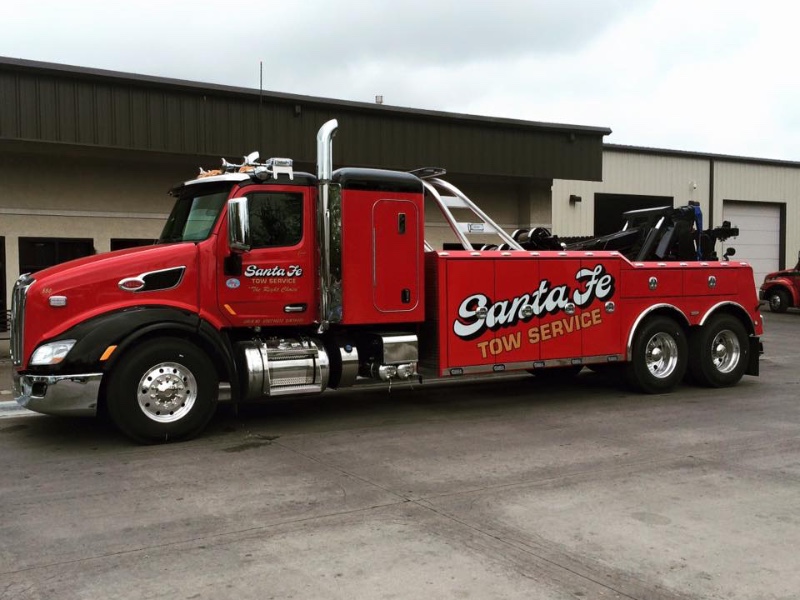
We run I-44 semi towing operations out of our Joplin and Blue Springs locations. Our team is set up to respond fast to accidents anywhere along the corridor. Our I-44 semi towing fleet includes heavy wreckers and rotators that can handle overturned rigs, jackknifed trailers, and multi-vehicle pileups. We work directly with the Missouri Highway Patrol and local agencies to clear lanes and get freight moving again.
Our semi towing operators have pulled semis out of ditches near the Kansas border, recovered loads from median crashes outside Joplin, and handled rollovers in construction zones. We know the road, we know the challenges, and we know how to work safely in live traffic. When you call us for I-44 semi towing, you’re getting a crew that’s been doing this for decades.
FAQ
Only if it’s safe and drivable. If you’re blocking traffic and the truck still runs, get it to the shoulder. If you’re stuck in a lane and can’t move it, exit the cab immediately and get behind the guardrail. Never stay inside a disabled truck sitting in live traffic.
Tell them your exact location, the type of truck, whether it’s loaded, what kind of damage you see, and if there are any hazards like fuel spills or cargo in the road. The more details you provide, the better equipped we’ll be when we arrive.
Response times vary based on where we’re coming from and road conditions. For most I-44 accidents, we’re on scene within 30 to 45 minutes. We prioritize crashes that are blocking lanes or creating safety hazards.
Not in the cab. It’s not safe to ride in a truck that’s being towed or recovered. We can give you a ride to our yard or to a nearby truck stop if you need one.
If the trailer is damaged or the load shifted, we’ll work with you and your dispatcher to secure it or transfer it to another truck. We have the equipment to handle most freight types and can coordinate with your insurance company.
In Missouri and Kansas, you’re required to report any accident involving injury, death, or significant property damage. Even for minor incidents, filing a report protects you if questions come up later with your insurance or employer.